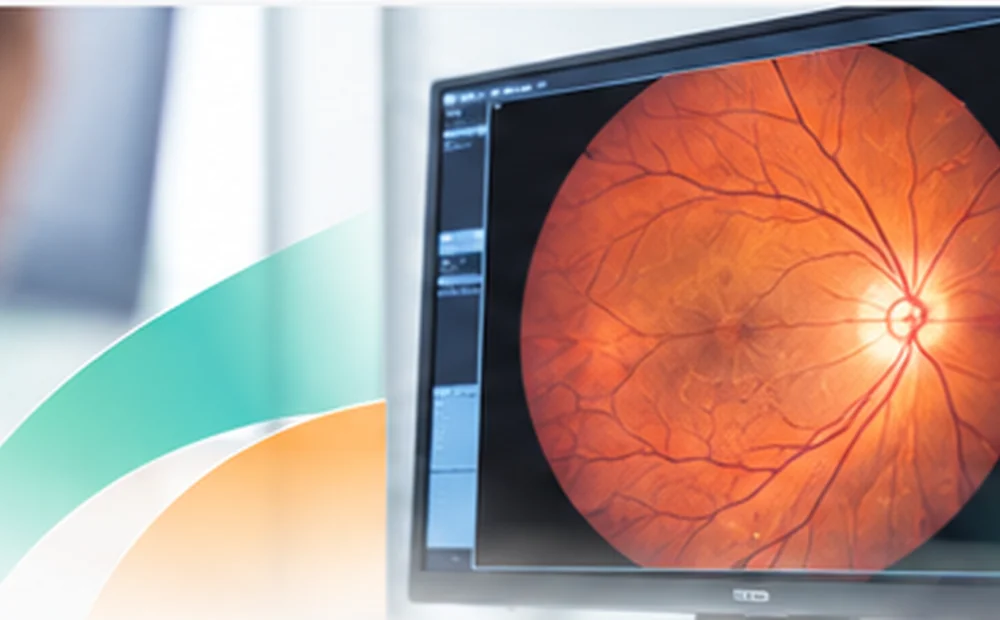
Retinal symptoms deserve timely assessment—some are urgent.
Retinal symptoms are assessed with particular attention to changes that may need prompt care — such as sudden flashes, a new shower of floaters, a curtain-like shadow or sudden loss of vision. Evaluation may include a dilated retinal examination and imaging such as OCT before the next step is discussed.
Dr. Shyam GuptaOphthalmologist in LucknowClinical Research Fellow • Singapore National Eye CentreDr. RML Hospital / PGIMER • New Delhi
When to seek evaluation
When an eye assessment may be useful.
New or suddenly increasing floaters
Flashes of light in one or both eyes
A dark curtain or shadow moving across part of the vision
Sudden distortion, central blur or loss of vision
Vision changes in a person with diabetes or known retinal disease
Clinical evaluation
What may be checked during assessment.
Dilated retinal examination
Optical coherence tomography (OCT) when indicated
Retinal photography or other imaging
Ultrasound if the retina cannot be seen clearly or more information is needed
Review of diabetes, blood pressure, trauma, high myopia and previous eye procedures
Treatment pathways
Treatment is matched to the diagnosis and the eye.
The options below are common approaches that may be discussed. The appropriate plan depends on examination findings, diagnosis, eye health and individual needs.
01
Laser or cryotherapy
Small retinal tears or certain retinal conditions may be treated with laser or freezing treatment, depending on diagnosis.
02
Intravitreal injections
Some retinal diseases are treated with medicines injected into the eye to control abnormal blood vessels, leakage or inflammation.
03
Retinal surgery
A detached retina or other complex retinal problem may require surgery. The method depends on the type and extent of disease.
Your consultation
What to expect at your consultation.
01
History & symptoms
Your vision, symptoms, previous eye care, medicines, health conditions and treatment goals are reviewed first.
02
Eye examination
Tests are selected according to the concern and may include vision testing, eye pressure, slit-lamp examination, dilation or imaging.
03
Plan & follow-up
Findings are reviewed with you, along with appropriate options, expected benefits, limitations, risks and follow-up.
Retina Treatment FAQ
Common questions about retinal care.
These answers provide general guidance. Diagnosis and treatment decisions require an individual eye examination.
Many people have harmless floaters, but a sudden shower of new floaters, flashes, a curtain/shadow or sudden vision change needs prompt assessment because it can signal a retinal tear or detachment.
A dilated eye examination is central. OCT or ultrasound may be used when additional information about the retina is needed or the retina cannot be seen clearly during examination.
Depending on its type and risk, a retinal tear may be sealed with laser or cryotherapy to reduce the chance of fluid passing through and causing detachment.
No. Treatment depends on the specific diagnosis. Some conditions are monitored, some are treated with laser or injections, and others require surgery.
Diabetes can damage retinal blood vessels before major symptoms occur. Periodic dilated eye examinations help detect changes early and guide follow-up or treatment.
Seek urgent eye or emergency care immediately. A curtain or shadow can be a symptom of retinal detachment, where timely treatment can be important for protecting vision.
Patient information sources
Independent patient information.
These independent public eye-health resources provide additional general reading alongside the information discussed during consultation.